

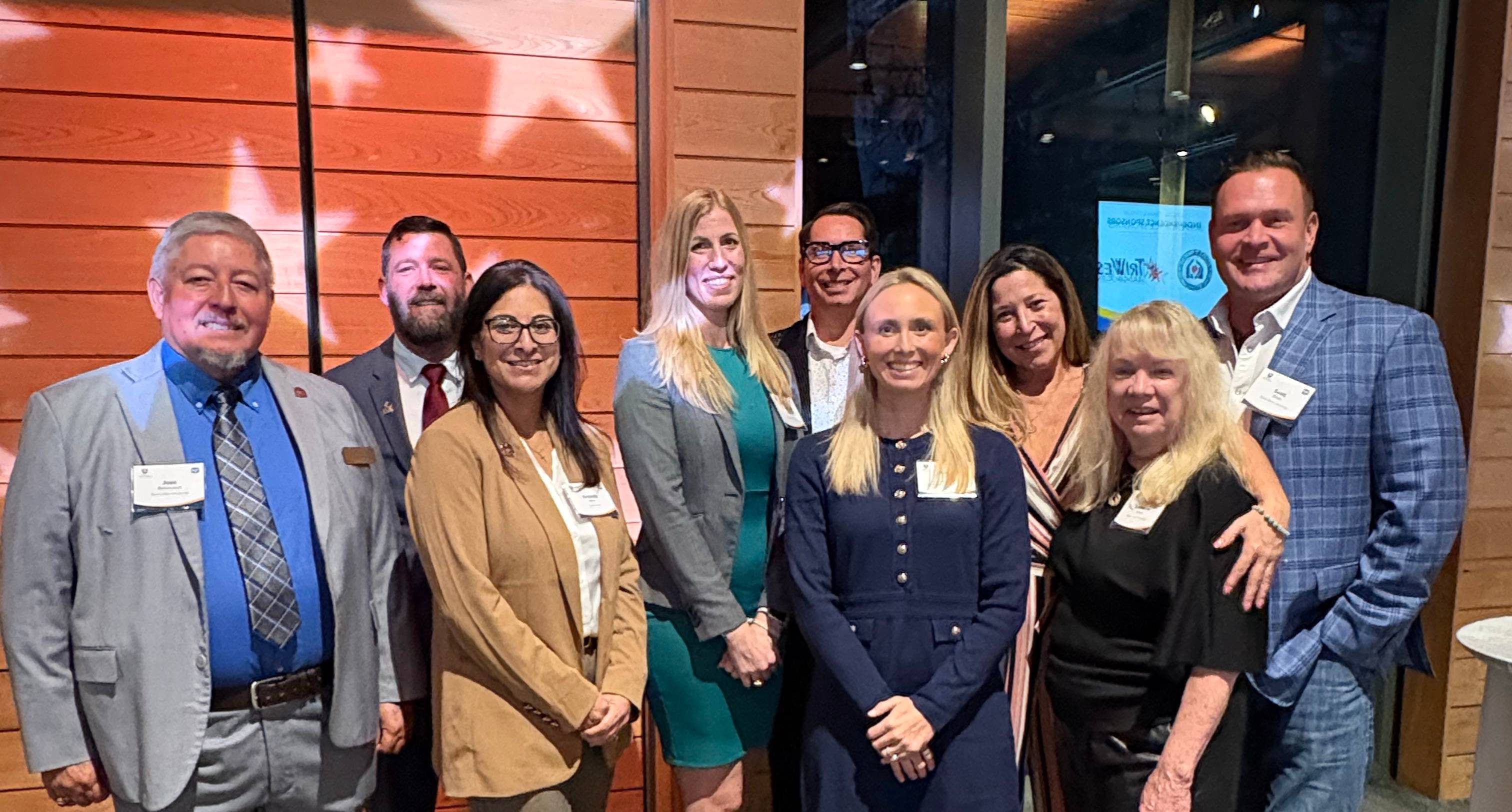
Nine Texas State attendees and community guests pose under star-patterned lights at the 2026 Heroes of Military Medicine Awards.

Celebrating those who care for the military community

OCTOBER 29, 2026

San Antonio is home to one of the largest concentrations of military medicine in the country. Research that improves the health of service members, veterans and their families depends on strong ties with that community. On Thursday, Oct. 29, THRC researchers and Texas State University colleagues strengthened those ties at the 2026 Heroes of Military Medicine (HMM) San Antonio Awards Dinner, an evening honoring the region’s military medical leaders.

Each year, the Henry M. Jackson Foundation for the Advancement of Military Medicine (HJF) presents the Heroes of Military Medicine Awards. They recognize military medical leaders, clinicians, researchers and civilians whose work advances military medicine and improves the health of wounded, ill and injured service members, veterans and their families.

HJF launched the San Antonio regional dinner in 2022 to celebrate military medical personnel in the greater San Antonio area. KSAT-TV anchor and San Antonio native Stephanie Serna emceed this year’s event, which honored:

  • Army: Maj. (Dr.) Patrick T. Reeves, a quadruple board-certified general pediatrician, pediatric gastroenterologist and associate professor
  • Navy: Cmdr. (Dr.) Stacy L. Coulthard, a trauma and surgical critical care physician and deputy director of combat casualty care at the Naval Medical Research Unit (NAMRU) San Antonio
  • Air Force: Maj. (Dr.) Samuel D. Hobbs, an ophthalmologist and innovator in artificial intelligence (AI)-assisted diagnostic tools
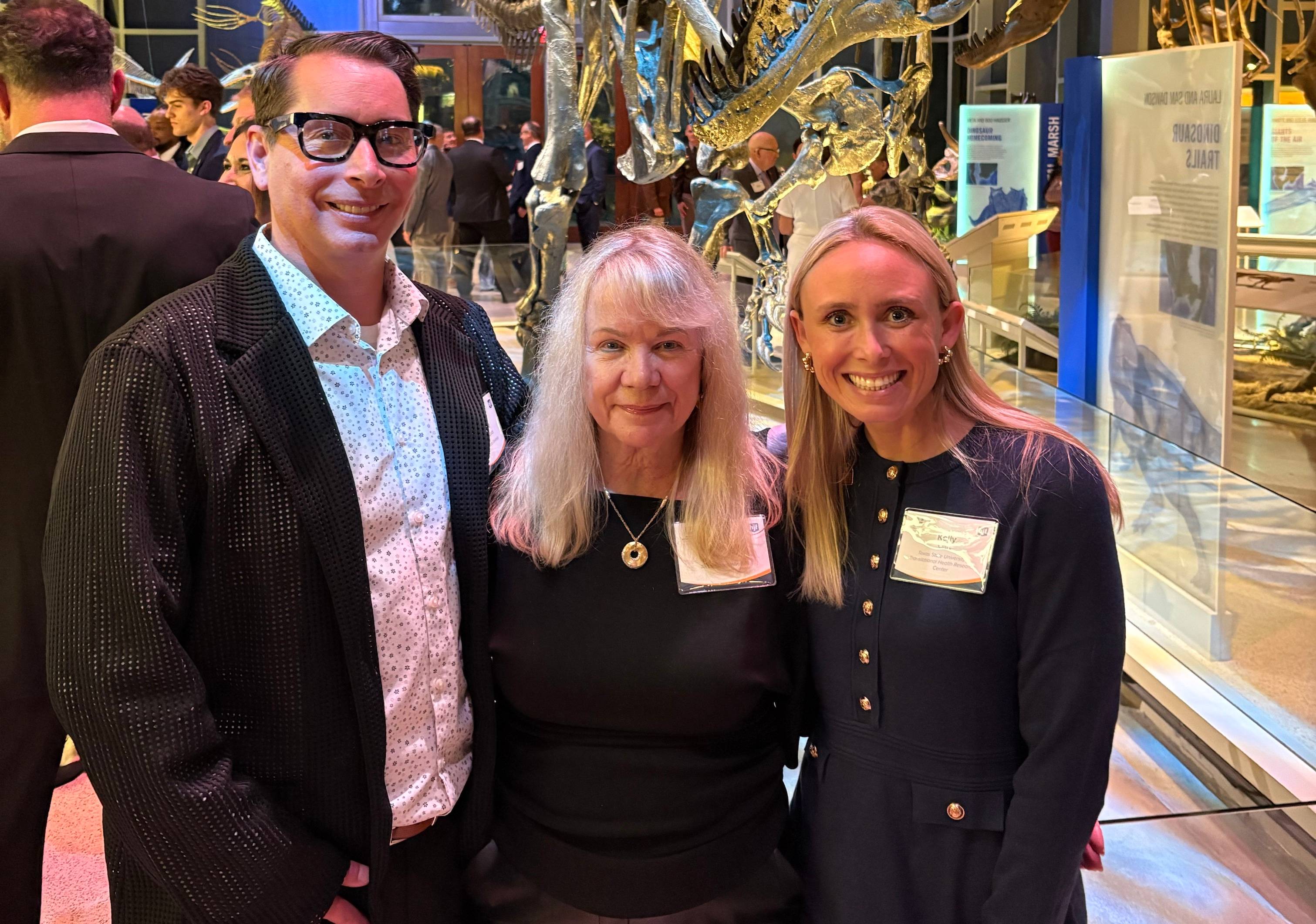
Nate Rodrigues, left, Dr. Katherine Selber and Dr. Kelly Clary of the Translational Health Research Center attend the 2026 Heroes of Military Medicine San Antonio Awards Dinner on Thursday, Oct. 29, in San Antonio.

Nate Rodrigues, left, Dr. Katherine Selber and Dr. Kelly Clary attend the 2026 Heroes of Military Medicine San Antonio Awards Dinner

Representing THRC’s BRAVE and TexVet Legacy teams were Dr. Kelly Clary, BRAVE project lead and TexVet Legacy principal investigator; Dr. Katherine Selber, BRAVE project co-lead; and Nate Rodrigues, BRAVE project lead designee. Clary and Selber are veteran family members, and Rodrigues is a veteran.

BRAVE (Building Resilience and Advancing Veteran Engagement), funded by the Patient-Centered Outcomes Research Institute (PCORI), brings veterans and their caregivers into research on moral injury and mental health as equal partners, so the studies reflect what veterans themselves need. The TexVet Legacy Project, funded by the U.S. Department of Veterans Affairs, preserves Texas veterans’ stories through the Veterans Legacy Memorial. It then turns those stories into standards-aligned K–12 lesson plans, so students learn about service from the people who served.

They were joined by Texas State colleagues who also bring personal connections to military service:

  • Dr. Scott Smith, professor, School of Social Work, veteran family member
  • Dr. Sheri Burson, associate dean of academic success, College of Education, U.S. Air Force veteran
  • Dr. Jose A. Betancourt, associate professor and director, Bachelor of Health Administration program, College of Health Professions, and retired U.S. Army lieutenant colonel
  • Michael Sims, assistant professor of instruction, Department of Agricultural Sciences, veteran

Community members Amanda M. Cantu, LPC-S, assistant clinic director at The Steven A. Cohen Military Family Clinic at Endeavors – San Antonio and a veteran spouse, and Patricia D. Mendoza, LCSW, a psychotherapist and veteran family member, also attended.

For Burson, the evening was personal.

For Betancourt, the evening was also a chance to reconnect. A retired U.S. Army Medical Service Corps officer, he has published studies comparing the health of veterans with that of the average U.S. civilian. He keeps strong relationships with military medical organizations across San Antonio. Those connections could help apply Texas State’s health expertise to current and emerging challenges facing active-duty service members, military families and veterans.

Betancourt found that the dinner rekindled former relationships and strengthened existing ones, which may grow into future research partnerships with military health organizations at the event.

Events like HMM San Antonio give THRC researchers a chance to celebrate the clinicians and scientists caring for the military community. They also build the partnerships that carry research from the lab into the lives of service members, veterans and their families.