

Gretchen Norling Holmes and Ny'Nika McFadden with a green and gold gradient background

Investigators: 

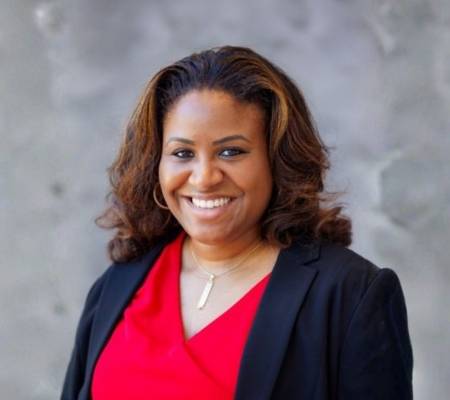
Dr. Ny'Nika McFadden and Dr. Gretchen Holmes

Research Pillar(s):

An icon of a road with a leaf cluster as the middle pavement marking.
A briefcase icon with a Red Cross symbol, meant to represent the STEM and Healthcare Workforce priority.
A head icon with a heart in place of a brain, meant to represent the Personal Health and Wellbeing pillar.
An icon of an medical monitor showing heart beat activity, meant to represent the Digital Healthcare Transformation pillar.
An ambulance moving at high speed with the siren on, meant to represent the Emergency Preparedness pillar.

Problem

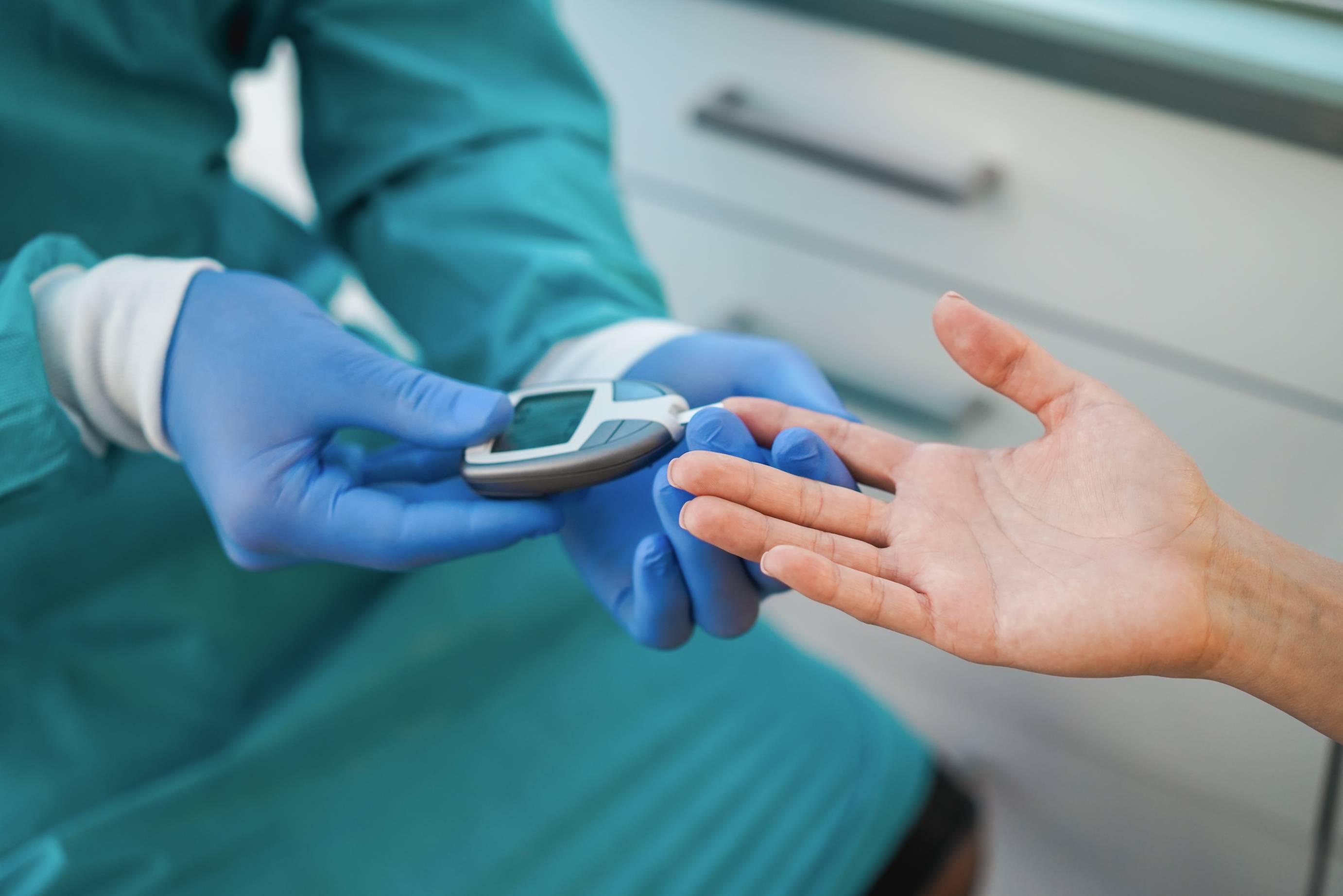
For patients living with chronic conditions such as diabetes, the transition from hospital to home is often one of the most vulnerable points in their care journey. Breakdowns in communication, unclear discharge instructions, limited access to follow-up care, and structural barriers within the healthcare system can disrupt continuity of care and increase the risk of complications or hospital readmissions. 

Outside the hospital, patients may also face challenges related to health literacy, transportation, cost of care, and other social determinants of health that affect their ability to manage their condition effectively. When patients leave the hospital without clear, accessible information and coordinated support, their safety, health outcomes, and overall quality of life are at risk.

Solution

This project centers patients’ voices to identify practical, evidence-based solutions that strengthen continuity of care across inpatient and outpatient settings. By examining patients’ lived experiences with structural and communication barriers, the research team will identify opportunities to improve discharge processes, care coordination, and patient support systems. 

The project also evaluates how health literacy and social determinants of health shape patients’ ability to manage chronic disease beyond the clinical setting. Findings will inform the development of targeted, patient-centered health literacy interventions designed to improve understanding, empower self-management, reduce hospital readmissions, and build greater trust in the healthcare system.

Want to get involved?