


Learn how to share your research clearly, connect with audiences, and make a lasting impression when you’re behind the mic.
Why should I say yes to a podcast invitation?
Podcasts give faculty a platform to connect with new audiences beyond academia in a more accessible, conversational format. While journals inform peers, podcasts engage people by bringing research to life through stories and conversation.
Every great podcast guest tells a story. When you share what drives your research and how it impacts the world, listeners connect not just with your findings—but with you.
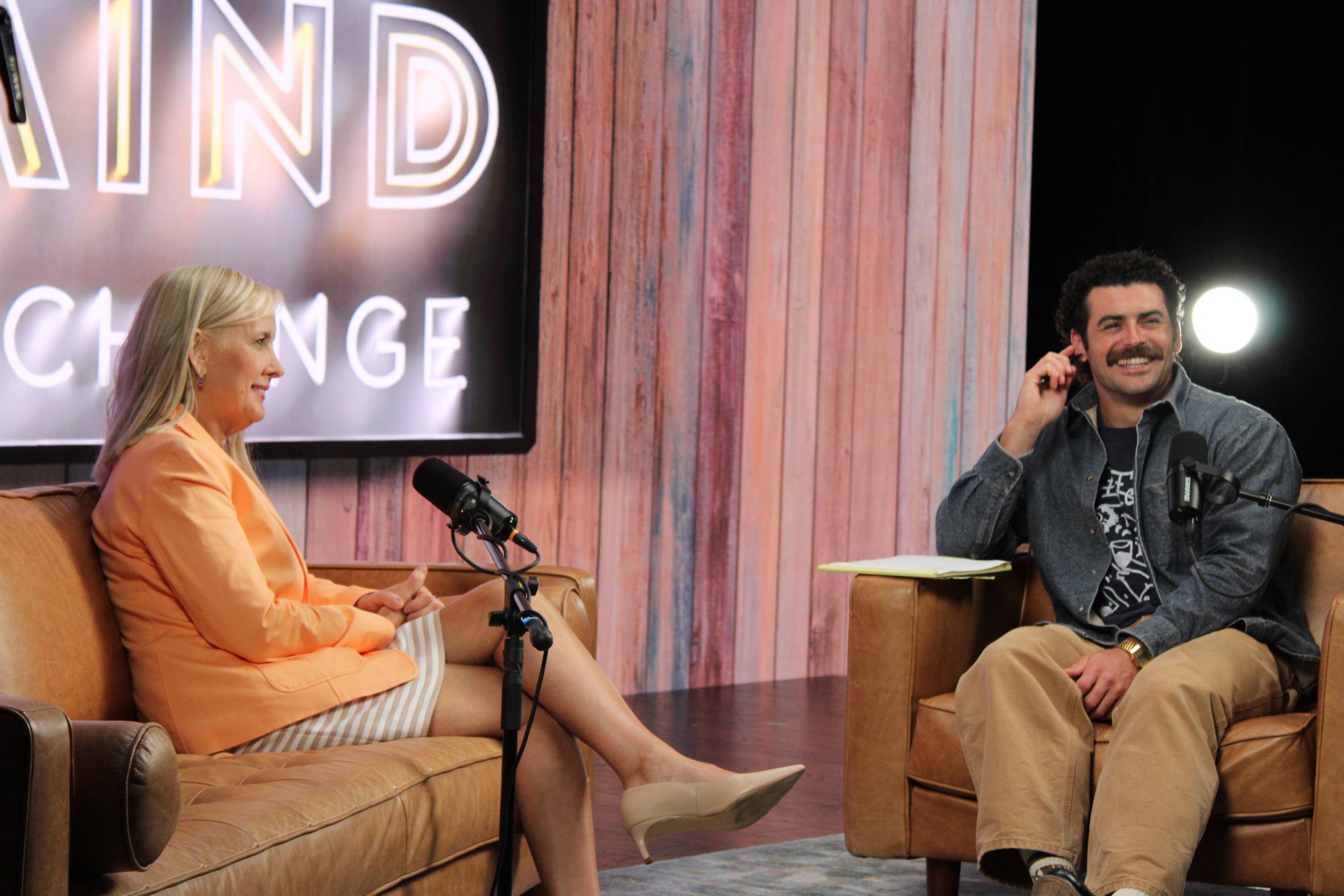
Considerations for a Podcast
-
Common Questions
Being prepared to answer a few common questions may help you successfully navigate an interview. These questions may include:
- Tell me about your background.
- How would you summarize your research in layman's terms?
- What inspired you to do this research?
- What are the implications of your work?
- Where do you think your research is headed in the future?
Preparing thoughtful responses to these questions can help you feel confident and make the conversation more engaging.
-
New Questions
While you may be accustomed to answering questions from your students, podcast interviewers may surprise you with questions that you did not prepare for.
-
Interview Length
Unlike a brief interview or a lecture, a podcast is an extended, conversational exchange. Because episodes often last 60 minutes or more, it’s important to stay present and intentional throughout.
-
A Wide Audience
Podcasts reach people with a wide range of backgrounds. Adapting your message helps ensure your insights are both understandable and impactful for all listeners.
-
Emotion & Personality
Sharing emotion on a podcast helps listeners connect with you and your work on a human level. By expressing curiosity, passion, or even challenges you’ve faced, you create a welcoming atmosphere that draws people in and makes your research more relatable and memorable.
-
Video Podcasts
Before recording, it’s important to know whether a podcast will be filmed. Video adds a visual layer to your message, so your posture, facial expressions, and gestures all contribute to how your audience perceives you. Being mindful of nonverbal communication—maintaining eye contact with the camera, using natural hand movements, and projecting confidence—can help you appear engaging, approachable, and professional.
-
Remote Podcasts
Preparing for a remote podcast requires both technical and personal readiness. Test your camera, microphone, and internet connection ahead of time to ensure clear audio and video. Choose a quiet, well-lit space, minimize distractions, and consider your background. Finally, practice maintaining eye contact with the camera and speaking naturally to create a professional and engaging presence, even from a distance.
View of long walkway with arches at Texas State University
Recommended Resources
Expert PR Tips to Prepare for Podcast Interviews | Otter PR
How to be a Great Podcast Guest | Riverside