


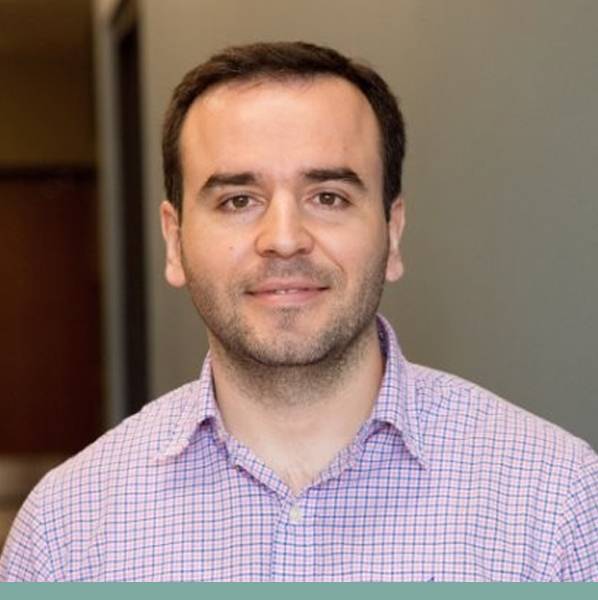
Dr. Vangelis Metsis
Associate Professor - Computer Science
Research Areas:
Machine learning and smart health.
Background
Dr. Vangelis Metsis's research focuses on Machine Learning and Computer Vision with a focus on AI-powered applications of Smart Health, Pervasive Computing, and Human-AR/VR Interaction. He has been awarded several research grants from federal, state, and industry sources and has published over 70 peer-reviewed research papers. Dr. Metsis is an Associate Professor in the Department of Computer Science at Texas State University and Director of the Intelligent Multimodal Computing and Sensing (IMICS) Lab, where he has been since August 2014. He earned his BS in Computer Science from Athens University of Economics and Business in 2005, and his PhD from The University of Texas at Arlington in 2011.
About Faculty Fellows Projects
Dr. Vangelis Metsis advanced THRC initiatives through his expertise in artificial intelligence, machine learning, and computer vision. His work focuses on AI-driven applications in smart health, pervasive computing, and human interaction with AR/VR technologies. As Director of the Intelligent Multimodal Computing and Sensing (IMICS) Lab and Associate Professor in Texas State University’s Department of Computer Science, Dr. Metsis has led federally, state, and industry funded research projects and published more than 70 peer-reviewed studies. His research supports innovative, technology-based solutions that improve human health, interaction, and intelligent systems.
Research Impact Highlights
Key metrics and accomplishments demonstrating ongoing impact in research, mentorship, and digital advocacy.
Leadership
Led/co-led over 10+ funded grant projects
25+ Publications
Published research articles in last 3 years
20+ Peer-Reviewed
20+ peer-reviewed conference presentations
Featured Media
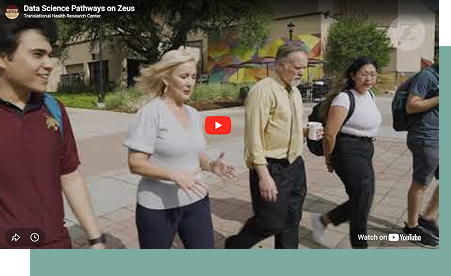
Partnering with Communities to Tackle Youth Substance Use | UIMH. In the third session of the Understanding Indicators of Mental Health series, we learned about current adolescent substance use trends, including accidental fentanyl overdoses, and explored strategies for collaborating with community agencies and schools to address these issues.
Featured Publication
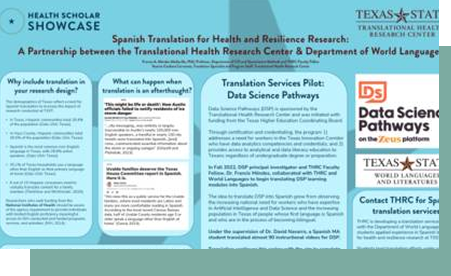
Graduate students from the Department of World Languages and Literatures translated 175 videos for blocks 1 and 2 during Fall 2023/Spring 2024.